Road safety and equipment
Every journey on Canadian roads presents unique challenges that demand both proper equipment and comprehensive safety knowledge. From navigating icy Trans-Canada Highway stretches in February to avoiding moose on rural routes in the Maritimes, Canadian drivers face conditions that test both vehicle capabilities and human judgment. Understanding how safety equipment functions—and its limitations—can mean the difference between a close call and a tragedy.
Road safety extends far beyond following traffic laws. It encompasses vehicle stability systems, restraint technologies, advanced driver assistance features, and the critical human elements of awareness and decision-making. This comprehensive overview connects the essential safety domains every Canadian driver should understand, from the physics governing your vehicle’s behavior to the psychology behind road rage incidents.
Whether you’re a new driver building foundational knowledge or an experienced motorist looking to understand modern safety technologies, this resource provides the context needed to make informed decisions about vehicle equipment, maintenance priorities, and driving techniques suited to Canadian conditions.
Vehicle Stability: The Foundation of Safe Highway Travel
Vehicle stability represents the complex interaction between your car’s design, road conditions, and environmental forces. Understanding these fundamentals helps you recognize when conditions exceed your vehicle’s capabilities—and your own.
How External Forces Challenge Vehicle Control
Physics governs every aspect of vehicle stability. Crosswinds affect vehicles differently based on their profile and weight distribution: a tall SUV with a high center of gravity experiences greater lateral force than a low-slung sedan. Transport Canada data shows that wind-related incidents spike on exposed highway sections across the Prairies and along coastal routes, particularly affecting light trucks and vans.
The relationship between tire contact patches and road surface determines your vehicle’s grip envelope. All-season tires lose significant traction below 7°C, while dedicated winter tires maintain pliability in temperatures common across most of Canada from November through March. The choice between these tire categories fundamentally alters high-speed stability margins and emergency maneuvering capability.
Suspension Systems and Electronic Interventions
Suspension design balances comfort and control. Softer suspensions absorb bumps effectively but allow more body roll during cornering, while firmer setups maintain tire contact but transmit road irregularities to passengers. Modern stability control systems monitor wheel speeds, steering angle, and lateral acceleration to detect when your intended path diverges from actual vehicle motion.
Warning signs of stability control failure include persistent dashboard warnings, unusual intervention patterns, or complete absence of system activation during maneuvers that should trigger it. These systems rely on multiple sensors, and failure of any component can compromise protection. Regular diagnostic checks, particularly before winter, help ensure these critical systems function when needed most.
Mastering Canadian Winter Driving Conditions
Canadian winters demand specialized knowledge that extends beyond simply driving slower. The techniques and equipment requirements differ substantially from three-season driving, and misunderstanding vehicle capabilities leads to countless incidents annually.
The Reality Behind Four-Wheel and All-Wheel Drive
A common misconception persists that 4WD or AWD systems provide superior stopping ability on ice. In reality, these systems only improve acceleration traction—all vehicles have four-wheel braking regardless of drivetrain configuration. Once moving, a 4WD truck on ice has no inherent advantage over a front-wheel-drive sedan when trying to stop or turn. Both are limited by the same coefficient of friction between tire and ice.
The danger emerges when drivers assume 4WD provides comprehensive winter capability. This false confidence leads to excessive speeds for conditions, ultimately requiring braking or steering inputs that exceed available traction. Insurance data from Alberta and Saskatchewan consistently shows 4WD vehicles overrepresented in winter single-vehicle accidents relative to their market share.
Skid Recovery and Black Ice Awareness
Proper skid response contradicts many drivers’ instincts. The correct reaction depends on skid type, but generally requires:
- Easing off the accelerator rather than abrupt braking
- Steering toward your intended path, not away from the skid direction
- Avoiding overcorrection as traction returns
- Understanding that ABS creates pulsing brake pedal feedback—maintaining firm pressure is correct
Black ice forms most commonly on bridges, overpasses, and shaded road sections where pavement temperatures drop below surrounding areas. In Canadian climates, danger zones include the approach to any water crossing (where humidity increases), areas beneath overhanging trees on north-facing slopes, and sections where hills create persistent shade. Dawn hours present peak risk as overnight refreezing creates glare ice that appears as merely wet pavement.
Protecting Your Most Precious Cargo: Child Passenger Safety
Child restraint systems represent the most researched and regulated safety equipment in vehicles, yet misuse rates remain alarmingly high. Transport Canada studies indicate that approximately three out of four car seats contain installation or usage errors that compromise protection.
Understanding Restraint Chronology and Installation Methods
Child safety follows a developmental progression: rear-facing infant seats, convertible seats, forward-facing harnessed seats, booster seats, and finally adult seat belts. The timing of transitions matters enormously. Recent research demonstrates that extended rear-facing positioning—until children reach the seat’s height or weight limit, often around age two or beyond—reduces serious injury risk by over 70% compared to early forward-facing positioning.
The choice between UAS (Universal Anchorage System, known as LATCH in the United States) and seat belt installation depends on child weight and vehicle design. UAS provides easier installation for seats below specific weight thresholds, but seat belt installation becomes necessary as combined child and seat weight approaches limits. Both methods, when executed correctly, provide equivalent protection.
Overlooked Risks: Expiration Dates and Compression Gaps
Car seats carry expiration dates, typically six to ten years from manufacture, because plastic components degrade from temperature cycling, UV exposure, and material fatigue. Using expired seats compromises structural integrity during crashes. The date typically appears on a sticker or molded into the plastic shell—check this before accepting hand-me-down seats.
The “compression gap” risk emerges from puffy winter clothing. Thick coats compress during a collision, creating slack in the harness that allows dangerous child movement. The correct approach involves buckling the child in thin layers, then placing coats backward over secured harnesses, or using car seat-compatible winter covers designed to work with proper harness tension.
Understanding and Maintaining Critical Safety Systems
Modern vehicles contain sophisticated restraint systems whose proper function depends on correct usage and periodic maintenance. Many drivers remain unaware of how these systems work or the conditions that compromise their effectiveness.
Airbag Systems: Function and Common Issues
The “Passenger Airbag Off” indicator illuminates when front passenger seat sensors detect weight below deployment thresholds, typically around 35 kilograms. This prevents airbag deployment for small children or empty seats. However, objects placed on seats can trigger false readings, and sensor failures do occur. If the light behaves inconsistently or contradicts actual passenger weight, diagnostic assessment is warranted.
Steering wheel covers, particularly thick aftermarket versions, can interfere with driver airbag deployment. The airbag deploys at approximately 320 km/h, and any material between the cover and driver affects deployment trajectory and timing. Using thin, properly fitted covers designed for vehicles with airbags minimizes this risk, but removing covers entirely provides the safest configuration.
Recall Management and Seat Belt Maintenance
The Takata airbag recall represents the largest automotive recall in history, affecting millions of Canadian vehicles over multiple years. The defect involved airbag inflators that could rupture, projecting metal fragments into the cabin. This recall’s legacy emphasizes the importance of regularly checking recall status—Transport Canada maintains a searchable database where owners can verify their VIN against open recalls.
Seat belt pre-tensioners retract belt webbing during crash onset, removing slack before occupant loading occurs. These pyrotechnic devices activate once, then require replacement—even in minor collisions. Signs of compromised seat belt function include slow retraction, fraying visible along webbing edges, or resistance during normal extension. Seat belts experiencing any of these symptoms should be inspected by qualified technicians, as their life-saving function depends on proper mechanical operation.
Wildlife Encounters: A Uniquely Canadian Challenge
Wildlife collisions represent a distinct hazard in Canadian driving, with regional insurance data indicating annual wildlife strike costs exceeding hundreds of millions of dollars. Moose, deer, elk, and smaller animals create risks that vary by geography, season, and time of day.
The Swerve Versus Brake Decision
When wildlife appears in your path, the instinct to swerve can prove more dangerous than impact, particularly with smaller animals. The “swerve versus brake” calculation depends on several factors:
- Animal size—Moose and elk justify evasive action; smaller deer and dogs typically do not
- Traffic conditions—Swerving into oncoming traffic or adjacent vehicles creates multi-vehicle collision risk
- Road shoulder characteristics—Swerving onto soft shoulders, ditches, or toward trees often causes rollovers
- Speed—Higher speeds reduce reaction time and increase swerve stability risks
Emergency responders across Canadian provinces consistently advise that controlled braking while maintaining lane position produces better outcomes than emergency swerving for most wildlife encounters. The exception involves moose, whose height causes body mass to impact windshield areas, creating severe occupant injury risk that may justify evasive measures if safely possible.
Prevention Through Awareness and Equipment
Wildlife activity peaks during dawn and dusk hours, with increased movement during fall mating seasons. Deer exhibit eye-shine reflection in headlight beams—typically yellowish-green, visible at considerable distances when conditions allow. Scanning road edges while driving through rural areas, particularly in zones marked with wildlife crossing signs, provides critical early warning.
Deer whistles, devices that mount on vehicles and supposedly emit ultrasonic warnings, show no scientifically validated effectiveness. Multiple controlled studies have failed to demonstrate any reduction in wildlife approach behavior. Properly aimed headlights, reduced speeds in high-risk areas, and active scanning represent the only proven mitigation strategies available to individual drivers.
Advanced Driver Assistance: Benefits and Limitations
Modern vehicles increasingly incorporate Advanced Driver Assistance Systems (ADAS), technologies that can intervene in driving tasks. Understanding what these systems can and cannot do prevents both over-reliance and underutilization.
Automatic Emergency Braking and Its Boundaries
Automatic Emergency Braking (AEB) uses radar, cameras, or both to detect imminent collisions and apply brakes without driver input. These systems excel in rear-end collision scenarios on dry pavement with clear sight lines. However, they face limitations that Canadian drivers must understand:
- Heavy snow or spray can obscure sensors, reducing effectiveness
- Pedestrian detection at night depends on contrast and lighting—dark clothing reduces detection reliability
- System response times involve processing delays that may not suffice at highway speeds
- Rear Cross Traffic Braking assists when reversing but cannot prevent all collisions in complex parking situations
Winter usage of AEB requires particular attention. Snow accumulation on sensor locations (often behind front grilles or near mirrors) can trigger system deactivation warnings. Some manufacturers recommend car wash protocols that avoid high-pressure spray directly on sensor areas. Understanding your specific vehicle’s sensor locations and maintenance requirements ensures these systems function when needed.
Phantom Braking and False Positive Management
Phantom braking occurs when AEB systems misinterpret sensor input as requiring emergency intervention. Common triggers include overhead signs, bridge structures, sharp curves where radar detects vehicles in adjacent lanes, or reflective road surfaces. While manufacturers continually refine algorithms, drivers should understand that occasional false activations represent current technology limitations.
When phantom braking occurs, maintaining calm and understanding the cause helps prevent overreaction. Disabling systems entirely sacrifices genuine protection, so most experts recommend keeping systems active while remaining aware that driver intervention may occasionally be needed to override inappropriate activation.
Visibility and Awareness: Beyond Technology
Despite technological advances, human vision and awareness remain central to safe driving. Proper mirror configuration and understanding the relationship between electronic aids and physical observation prevents gaps in situational awareness.
The SAE Mirror Setting Method
The Society of Automotive Engineers developed a mirror adjustment technique that nearly eliminates traditional blind spots. Unlike conventional adjustment where drivers see their own vehicle’s sides, the SAE method positions mirrors outward:
- Lean your head against the driver’s side window
- Adjust the driver’s mirror until you barely see your vehicle’s side
- Lean to the center of the vehicle
- Adjust the passenger mirror until you barely see that side of your vehicle
This configuration creates a continuous visual field where vehicles exiting your rearview mirror immediately enter side mirror coverage. However, this method requires adaptation—many drivers initially feel disoriented by not seeing their own vehicle in side mirrors. The adjustment period typically lasts several driving sessions.
Why Shoulder Checks Remain Non-Negotiable
Blind spot monitoring systems use radar or cameras to detect vehicles in adjacent lanes, triggering visual warnings in mirror housings. These systems provide valuable assistance but cannot replace physical shoulder checks because:
- Detection zones may not extend far enough rearward to catch rapidly approaching vehicles
- Motorcycles and bicycles present smaller radar signatures that some systems miss
- System delays mean vehicles can enter blind spots between warning activation and driver response
- Aftermarket blind spot systems often have larger detection gaps than factory installations
The optimal approach combines properly adjusted mirrors, functioning blind spot monitoring, and deliberate shoulder checks before lane changes. This layered strategy addresses each method’s limitations through redundancy.
Human Factors: Managing Emotions and Interactions on the Road
Technology cannot address the human psychological elements that contribute to collisions. Understanding driver behavior patterns and managing emotional responses form essential components of comprehensive road safety.
The Psychology Behind Aggressive Driving
Road rage and aggressive driving stem from multiple psychological factors. The “left lane hog” phenomenon—drivers occupying passing lanes while traveling at or below traffic flow speed—triggers frustration because it violates expected traffic patterns and forces passing on the right. Provincial highway traffic acts across Canada designate left lanes for passing, yet enforcement remains inconsistent.
The “sorry wave” represents a uniquely Canadian communication tool—a hand gesture acknowledging a mistake or thanking another driver for courtesy. This simple interaction can defuse tension and promote cooperative rather than competitive driving environments. Research into driver psychology suggests that humanizing other drivers through such gestures reduces aggressive responses.
Practical De-escalation and Protection Strategies
When confronted with aggressive drivers or tailgaters, several evidence-based responses improve safety:
- Create space—Change lanes when safe to allow aggressive drivers to pass
- Avoid eye contact and gestures—Engagement escalates rather than resolves conflicts
- Identify escape routes—Maintain awareness of open lanes, shoulders, or exits that provide separation options
- Consider documentation—Dashcams provide objective records if incidents require police involvement or insurance claims
Dashcam usage has increased substantially among Canadian drivers, motivated both by insurance considerations and protection against fraud. When selecting dashcams, prioritize models with adequate low-light performance for Canadian winter conditions, where dawn arrives late and dusk falls early for extended periods. Parking mode features that activate upon impact detection provide protection even when vehicles are unattended.
Road safety represents a comprehensive domain where equipment, knowledge, and judgment intersect. No single element provides complete protection—modern stability systems fail without proper tires, advanced restraints require correct installation, and driver assistance technologies cannot overcome inattention or excessive speed. By understanding how each safety domain functions and its limitations, Canadian drivers can make informed decisions that genuinely reduce risk across the diverse conditions our roads present.
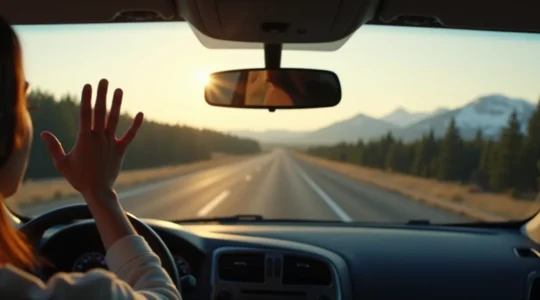
De-escalation on the Highway: Handling Road Rage in Canada
Encountering an aggressive driver is a tactical situation, not an emotional dispute. This guide moves beyond common advice, providing a strategic framework based on law enforcement principles to manage the environment, de-escalate the aggressor’s emotional state, and ensure your safe…
Read more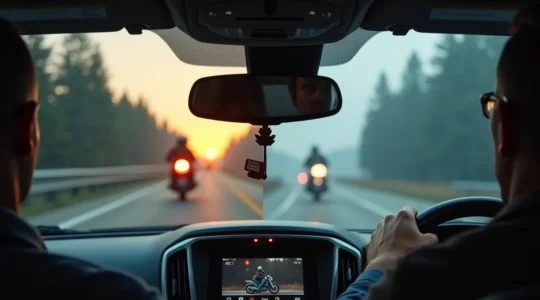
Blind Spots: Technology is a Tool, Not a Substitute for the Shoulder Check
Contrary to the growing belief that blind spot monitors make the shoulder check obsolete, the opposite is true. These electronic systems have inherent, predictable failure modes, especially in challenging Canadian driving conditions. This guide establishes the non-negotiable hierarchy of safety:…
Read more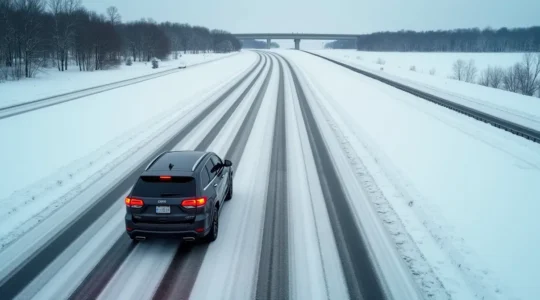
When the Car Brakes for Ghosts: Understanding AEB Limitations
Phantom braking isn’t a random glitch; it’s a predictable outcome of how Automatic Emergency Braking (AEB) sensors interpret ambiguous data, especially in unique Canadian conditions. Environmental factors like low sun angles, car wash spray, and dried road salt can physically…
Read more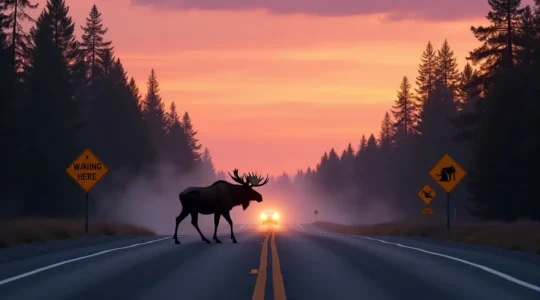
Moose, Deer & Bears: A Survival Guide to Wildlife Collisions on Canadian Roads
The instinct to swerve for an animal is a fatal mistake; true survival on Canadian roads depends on knowing when to brake and when to control the impact based on animal-specific physics. Braking hard for a moose is critical due…
Read more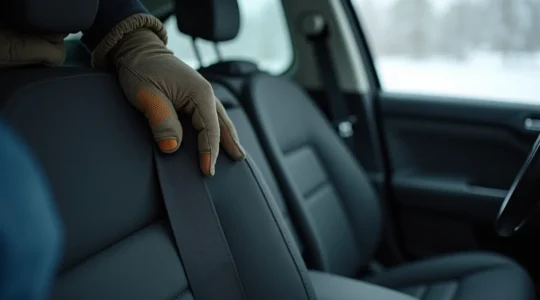
Seat Belts: The Forgotten Safety System That Demands Your Attention
Most vehicle owners assume a seat belt functions perfectly until it obviously breaks. This is a dangerously false assumption. From an inspector’s standpoint, a seat belt is a complex mechanical system that degrades over time due to environmental factors and…
Read more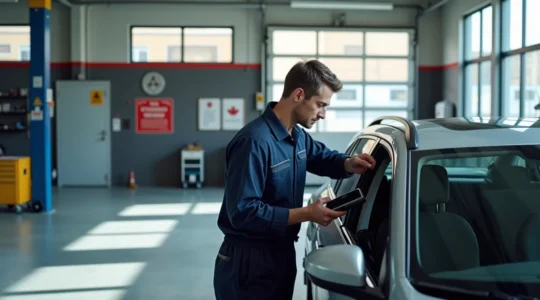
The Airbag Audit: Is Your Used Car Safe to Drive?
The airbag light on the dashboard is not a reliable indicator of safety; millions of Canadian used cars may have compromised or dangerous airbag systems hidden from plain view. Recalls are widespread, and verifying a specific vehicle’s status via its…
Read more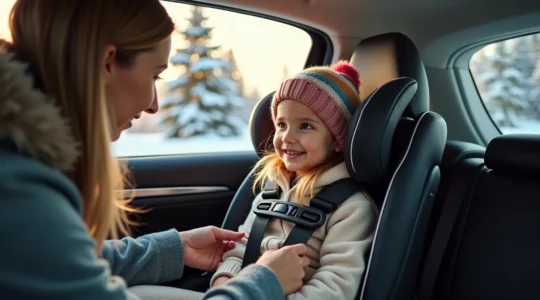
Beyond the Seat: Keeping Children Safe in Canadian Winters
Following car seat ‘rules’ is not enough; you must understand the physics of a crash to truly protect your child in the Canadian winter. A bulky snowsuit creates a fatal gap between the harness and your child, leading to ejection….
Read more
Mastering Ice Driving: How to Keep Control When Your Tech Fails
Controlling a car on ice isn’t about memorizing rules; it’s about managing your tire’s limited ‘grip budget’ like a professional driver. Four-wheel drive helps you accelerate but offers no advantage when braking on ice; only proper tires and technique do….
Read more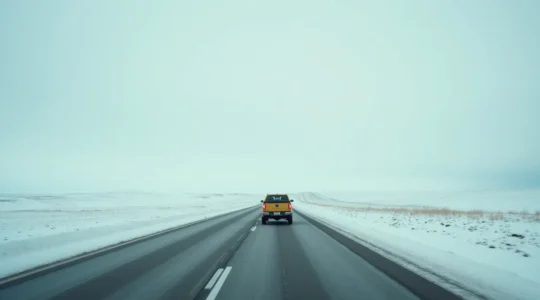
How to Maintain High-Speed Stability on the Trans-Canada Highway in Windy Conditions?
Driving the Trans-Canada isn’t just about distance; it’s a battle against physics where high winds and unpredictable surfaces can compromise even experienced drivers. Vehicle stability is a system: it starts with understanding your vehicle’s aerodynamics (SUV vs. sedan) and ends…
Read more