Repairs and breakdown assistance
When your vehicle needs attention, whether it’s a routine repair or an unexpected breakdown on a winter highway, understanding your options can mean the difference between a minor inconvenience and a major headache. Modern vehicles have evolved into sophisticated machines equipped with advanced materials, electronic systems, and safety technologies that require specialized knowledge to maintain properly. For Canadian drivers, these complexities are compounded by extreme weather conditions, vast distances between service centers, and unique challenges that accelerate wear and tear.
This resource explores the essential aspects of vehicle repairs and breakdown assistance, from understanding why composite bodywork demands different repair techniques than traditional steel, to choosing the right roadside support network for your needs. Whether you’re deciding between OEM and aftermarket parts, interpreting warning signs from your engine, or navigating the hidden costs of ADAS maintenance, you’ll gain the knowledge needed to make informed decisions that protect both your safety and your wallet.
The Evolution of Vehicle Repairs: Why Modern Cars Demand New Approaches
The vehicles on Canadian roads today bear little resemblance to those from even a decade ago. Manufacturers have embraced lightweight composite materials, active suspension systems, and sensor-laden bodywork to improve fuel efficiency and safety. While these innovations deliver real benefits, they’ve fundamentally changed what it means to repair a vehicle.
Think of it like the difference between fixing a mechanical watch and repairing a smartwatch. The traditional steel body panel could be straightened, welded, and repainted by any competent technician with standard equipment. Today’s aluminum or carbon fiber components often require specialized training, dedicated tools, and climate-controlled environments to repair correctly. A seemingly minor fender bender can trigger the need for radar calibration, camera alignment, and electronic system verification—tasks that go far beyond traditional bodywork.
This complexity creates a critical knowledge gap for vehicle owners. Understanding which repairs require specialist attention, when OEM parts are truly necessary, and how to identify quality service providers has become as important as knowing how to check your oil level.
Advanced Materials and Composite Repairs
Many modern vehicles incorporate aluminum, carbon fiber, and advanced plastics to reduce weight and improve efficiency. While these materials excel in their primary roles, they present unique challenges when damaged. Composite materials cannot be repaired using traditional welding techniques—attempting to do so can compromise structural integrity and create invisible weaknesses that may fail catastrophically in a future collision.
Why DIY and Traditional Shops Fall Short
Composite repairs require technicians certified in specific procedures, often unique to each manufacturer. The adhesives used to bond these materials must cure at precise temperatures, and even the tools must be dedicated (never cross-contaminated with steel dust or particles). In Canada’s climate, these materials also respond differently to thermal cycling—the repeated expansion and contraction caused by temperature swings from -30°C to +30°C can stress repair joints in ways that don’t affect traditional materials.
Insurance Implications You Need to Know
Many insurance policies contain clauses regarding exotic materials that policyholders overlook until claim time. Some insurers require certified repair facilities for composite work, while others may depreciate these materials differently than steel. Before attempting any repair on advanced materials, verify your policy’s specific requirements to avoid coverage disputes. Protecting lightweight bodywork starts with proper storage when possible—acidic road salt and prolonged UV exposure can degrade protective coatings faster than on traditional materials.
Suspension Systems: Maintenance and Repair Considerations
Canadian roads are notoriously challenging, with frost heaves, potholes, and rough pavement putting exceptional stress on suspension components. Modern electronically controlled dampers and active suspension systems add another layer of complexity to what was once a purely mechanical system.
The Vulnerability of Electronic Components
Active suspension systems use sensors, actuators, and electronic control modules to constantly adjust damping characteristics. While these systems dramatically improve ride quality on rough pavement, they’re expensive to replace when they fail. A single electronic damper can cost several hundred dollars more than its passive equivalent, and the control modules can exceed $1,000. Winter road salt accelerates corrosion of electrical connections, making regular inspections crucial.
When Passive Conversion Makes Sense
For older vehicles where active suspension components have failed, converting to high-quality passive suspension may be more economical than replacing electronic parts that may simply fail again. This decision depends on your priorities—active systems provide superior comfort and handling, but passive systems offer reliability and lower long-term costs. Optimizing your driving habits by avoiding potholes when safely possible and reducing speed on rough surfaces can significantly extend the life of any suspension system.
Choosing the Right Roadside Support Network
Breaking down on a rural highway in January isn’t just inconvenient—it can be dangerous. Yet many drivers don’t carefully evaluate their roadside assistance coverage until they’re stranded. Understanding the limitations and strengths of different programs is essential for Canadian conditions.
Towing Distance Limits and Geographic Coverage
Many basic roadside plans include only 5-10 kilometer towing limits, which may leave you far from the nearest qualified repair facility in rural areas. Premium plans often extend this to 100-200 kilometers, but verify whether this applies across provincial borders. Some credit card roadside programs sound attractive but often contract with the lowest-cost providers, resulting in longer wait times and limited service during peak periods like winter storms.
Specialized Needs for RVs and Trailers
Standard roadside assistance typically excludes recreational vehicles, trailers, and vehicles over a certain weight. If you tow regularly, specialized RV coverage is essential—these programs understand the unique challenges of roadside repairs on larger vehicles and maintain networks of heavy-duty tow operators. During winter storms, most providers implement priority systems that serve customers in dangerous situations first, which can mean multi-hour waits for non-emergency breakdowns. Optimizing your self-rescue preparations with basic tools, winter survival supplies, and communication devices provides critical backup when professional help is delayed.
OEM vs Aftermarket Parts: Making Informed Decisions
The parts you choose for repairs directly impact your vehicle’s safety, reliability, and resale value. While aftermarket parts can offer significant cost savings, understanding where quality differences matter most is crucial.
Safety-Critical Components
For structural body parts, brake components, and airbag systems, OEM parts are often mandatory to maintain crash safety performance. Aftermarket body panels may not have undergone the same crash testing, and variations in metal thickness or mounting points can affect how the vehicle’s safety cell performs in a collision. Many manufacturers explicitly void certain warranties if non-OEM parts are installed, particularly for powertrain and safety systems.
The Electronics Quality Gap
Electronic components show the widest quality variation in the aftermarket. Sensors, control modules, and computerized parts often perform poorly when sourced from budget suppliers, with higher failure rates and compatibility issues. For these components, sourcing used OEM parts from reputable dismantlers often provides better value than new aftermarket alternatives. Non-critical items like filters, wipers, and some maintenance parts typically perform well in quality aftermarket versions, offering savings without compromising safety.
Canadian Climate Challenges and Vehicle Longevity
Canadian vehicles age differently than those in milder climates. The combination of road salt, temperature extremes, and moisture creates a perfect storm for accelerated wear that demands adjusted maintenance approaches.
The Impact of Thermal Cycling
When temperatures swing from -25°C overnight to +5°C during the day, every component in your vehicle expands and contracts. Over time, this thermal cycling creates stress fractures in plastics, weakens rubber seals, and works fasteners loose. It also affects fluids—the debate over transmission fluid change intervals intensifies in Canadian conditions, where severe temperature variations break down fluid properties faster than in moderate climates.
Severe Service Intervals
Most manufacturers define “severe service” conditions to include frequent short trips in cold weather, extensive idling, and operation in dusty or salty environments—precisely the conditions most Canadian vehicles face regularly. Following severe service maintenance intervals rather than normal schedules can double the lifespan of critical components. This typically means changing oil every 5,000-6,000 km instead of 8,000-10,000 km, and inspecting suspension wear points more frequently. Even car wash frequency matters—regular undercarriage washing during winter removes corrosive salt before it penetrates protective coatings.
Diagnosing Problems: Reading Your Vehicle’s Warning Signs
Modern vehicles communicate their distress through sounds, smells, and visual cues. Learning to interpret these sensory signals allows you to address problems before they become failures.
A sweet smell inside the cabin typically indicates coolant leaking from the heater core, while a ticking noise on cold startup often signals lifter clearance issues or low oil pressure—usually temporary in cold weather but worth monitoring. Visual inspection of belts reveals cracks, glazing, or fraying that predict imminent failure. Exhaust smoke color tells a diagnostic story: blue indicates oil burning, white suggests coolant entering cylinders, and black points to rich fuel mixture. Regular oil level checks remain fundamental—modern engines with turbochargers and direct injection can consume oil between changes, and running low even briefly can cause expensive damage.
Advanced Driver Assistance Systems (ADAS) Maintenance
Cameras, radar sensors, and LIDAR systems have become standard safety features, but many drivers remain unaware of the hidden maintenance costs these technologies demand. Unlike traditional mechanical systems that gradually degrade with obvious symptoms, ADAS systems can fail silently or operate with degraded accuracy.
Calibration Requirements and Risks
Driving without proper calibration after windshield replacement, suspension work, or minor collisions can cause systems like automatic emergency braking or lane-keeping assist to malfunction at critical moments. The difference between static and dynamic calibration matters: static calibration uses targets in a shop environment, while dynamic calibration requires driving in specific conditions. Both require specialized equipment that only certain facilities possess.
Glass Replacement and Recalibration
When replacing windshields with embedded cameras, the choice between OEM and aftermarket glass affects more than just clarity. Camera mounting tolerances are measured in fractions of millimeters—aftermarket glass may have slightly different curvature or thickness that prevents proper calibration. Recalibration is needed beyond just glass replacement: wheel alignments, suspension repairs, and even tire size changes can affect sensor accuracy. When filing insurance claims for glass, specify the need for recalibration to ensure the cost is covered upfront rather than disputed later.
Understanding repairs and breakdown assistance in the Canadian context means recognizing that your vehicle operates in one of the world’s most demanding environments. By grasping the complexities of modern materials and systems, choosing quality parts and services strategically, and maintaining your vehicle according to the actual conditions it faces, you’ll minimize unexpected breakdowns and maximize both safety and value over your vehicle’s lifetime.
The $500 Windshield Surprise: Why Calibration is Not Optional
That shocking windshield replacement quote isn’t an upcharge; it’s the new reality of servicing your car’s digital nervous system. Windshield replacement now involves a mandatory, high-precision recalibration of safety cameras and sensors (ADAS). A millimeter of error can disable or…
Read more
Smells, Sounds, and Shakes: Diagnosing Cold Start Issues
The unusual behaviour your car exhibits on a frigid morning isn’t random; it’s a diagnostic language you can learn to understand. Sweet smells, specific engine noises, and even the colour of your exhaust are direct signals about the health of…
Read more
The “Million Kilometer” Mindset: Fighting Salt and Thermal Shock
The manufacturer’s maintenance schedule is a recipe for premature vehicle failure in Canada; true longevity comes from actively fighting environmental decay. Extreme temperature swings fatigue engine gaskets and seals, a threat “lifetime” fluids are not designed to handle. Corrosive salt…
Read more
OEM vs Aftermarket Parts: Which Should You Choose for Repairs?
The right choice isn’t about OEM vs. Aftermarket, but about selecting parts engineered to survive the unique demands of Canadian driving. Generic parts often lack the material resilience for extreme cold and road salt, leading to premature failure and higher…
Read more
CAA vs Manufacturer Assistance: Which Wins in Canadian Winters?
Your car’s “free” roadside assistance is designed for urban convenience, not for surviving a breakdown in the Canadian winter. Manufacturer plans offer minimal towing distances that are functionally useless in most of rural Canada. Critical services like winching your vehicle…
Read more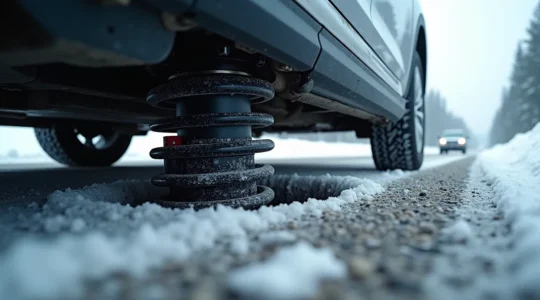
Are Adaptive Suspensions Worth the Repair Costs on Pothole-Ridden Roads?
The promise of a smooth ride from adaptive suspensions is a costly illusion on Canada’s harsh, salt-covered roads. This complex technology fails prematurely due to corrosion and pothole impacts, a predictable failure rather than a possibility. Repair bills for a…
Read more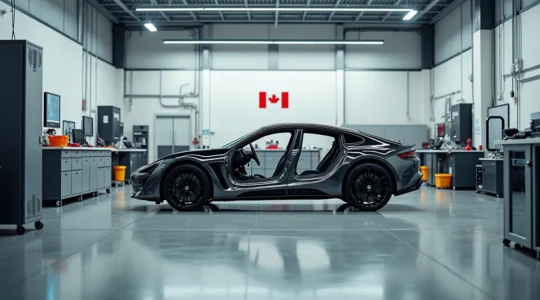
Carbon Fiber and Aluminum: Why Do Repairs Cost 40% More in Canada?
The shocking 40% premium on your “minor” repair bill for a car with advanced materials isn’t just for the part; it’s financing a hidden, mandatory ecosystem of specialized tools, isolated work environments, and complex insurance protocols unique to the Canadian…
Read more