New models and launches
The automotive industry operates on a carefully orchestrated rhythm of new model releases, refreshes, and complete redesigns. For Canadian buyers, understanding this cycle isn’t just about staying current with the latest offerings—it’s about making informed decisions that align with your needs, budget, and the unique demands of our climate. Each year brings dozens of new vehicles to market, from subtle mid-cycle updates to groundbreaking electric platforms that redefine entire segments.
Navigating the world of new model launches requires more than just enthusiasm for shiny new cars. It demands an understanding of industry patterns, technology adoption curves, and the strategic timing that can save you thousands of dollars or connect you with innovations that genuinely improve your driving experience. Whether you’re eyeing the latest electric SUV designed for Canadian winters or wondering if that completely redesigned sedan is worth the premium over last year’s model, this foundation will help you approach new launches with confidence.
Understanding the Automotive Model Launch Cycle
Automakers follow predictable patterns when introducing new vehicles, and recognizing these cycles gives you a significant advantage as a buyer. Most models undergo a complete redesign every five to seven years, representing a ground-up rethinking of the vehicle’s platform, design, and technology. Between these major overhauls, manufacturers typically introduce a mid-cycle refresh around the three- or four-year mark, updating styling, technology, and features to keep the model competitive.
In the Canadian market, timing is particularly important. Major reveals often occur at international auto shows, with the Canadian International AutoShow in Toronto and the Montreal International Auto Show serving as key venues where manufacturers showcase models specifically configured for our market. Vehicles revealed at these shows typically arrive at dealerships within three to six months, though supply chain factors can affect these timelines.
First-Year Models vs. Established Platforms
The automotive community has long debated the wisdom of purchasing a first-year model. Completely new platforms represent the manufacturer’s latest thinking on design, safety, and technology, but they also lack the real-world validation that comes from years of customer feedback. Initial production runs sometimes reveal issues that only emerge after thousands of vehicles experience diverse driving conditions—particularly relevant in Canada, where extreme temperature swings and road salt exposure can expose vulnerabilities.
Conversely, models in their third or fourth year of production typically offer refined reliability. Manufacturers have addressed early concerns, supplier relationships have matured, and assembly processes have been optimized. For risk-averse buyers, particularly those planning to keep their vehicle beyond the warranty period, this maturity offers peace of mind that outweighs the allure of the absolute latest design.
The Significance of Model Years
Understanding model year designations prevents confusion and helps you identify truly new content. Manufacturers typically introduce the next model year’s vehicles in the fall, meaning a vehicle purchased in autumn might already be designated as the following year’s model. This practice, while standard, means that a “current year” vehicle in a dealership showroom might have been in production for several months, while a “next year” model might have just arrived with minimal changes from its predecessor.
What Makes a New Model Worth Your Attention?
Not all new launches deserve equal consideration. The automotive landscape includes genuinely transformative releases alongside minor updates marketed with disproportionate fanfare. Developing criteria for evaluation helps you separate meaningful innovation from superficial change.
Substantive Platform Changes
When a manufacturer invests in a completely new platform—the underlying architecture that determines a vehicle’s dimensions, weight distribution, and engineering possibilities—the implications extend far beyond aesthetics. New platforms typically incorporate the latest safety structures, more efficient packaging that increases interior space without expanding external dimensions, and compatibility with advanced powertrains including hybrid and electric systems. For Canadian buyers, improved platform rigidity often translates to better handling on winter roads and enhanced crash protection.
Technology Integration and Features
Modern vehicles function as rolling computers, and new launches frequently introduce technology that filters down from luxury segments to mainstream models. Recent innovations particularly relevant to Canadian drivers include:
- Advanced driver assistance systems (ADAS) with enhanced performance in low-visibility conditions common during winter storms
- Improved infotainment systems with wireless smartphone integration and over-the-air update capability
- Battery thermal management systems designed specifically for cold-weather operation in electric and hybrid models
- Remote start and climate pre-conditioning systems that integrate with smartphone apps
Evaluate whether these technologies address genuine needs in your driving life, or whether they represent features you’ll rarely use. A heated steering wheel and heated rear seats, nearly universal in Canadian-market vehicles, provide more daily value than some flashier technological additions.
Powertrain Innovations
New model launches increasingly center on powertrain changes, particularly the introduction of electrified options. A model that previously offered only gasoline engines might add a hybrid variant, or an established nameplate might transition entirely to electric power. These changes carry significant implications for fuel costs, maintenance requirements, and long-term value retention—factors that deserve careful analysis rather than assumptions based on marketing claims.
Timing Your Purchase: Launch vs. Later
The question of when to buy relative to a model’s launch involves balancing competing priorities: accessing the latest features versus maximizing value and minimizing risk.
The Case for Early Adoption
Purchasing soon after launch offers distinct advantages for certain buyers. You’ll benefit from the full warranty period on a vehicle incorporating the manufacturer’s current technology and safety standards. For leasing customers, starting with the newest model year maximizes the vehicle’s residual value at lease end. Additionally, if the new model represents a significant improvement over its predecessor—particularly in fuel efficiency, safety ratings, or electric range—the benefits may justify the premium.
Early adopters also avoid the uncertainty of waiting. If a particular model gains popularity, waiting might mean limited availability of preferred configurations or colors, and potentially even market adjustments above MSRP for high-demand vehicles.
The Strategic Wait
Patience often rewards buyers financially and practically. Waiting three to six months after launch allows professional reviews to emerge, providing objective assessments of real-world performance, including winter capability testing crucial for Canadian conditions. Owner forums begin revealing patterns in reliability, build quality variations, and potential issues that didn’t surface during pre-production testing.
From a financial perspective, initial launch pricing rarely represents the best value. As production volumes increase and the novelty factor diminishes, manufacturers introduce incentives: reduced financing rates, cash rebates, or enhanced lease terms. Models that don’t meet sales expectations see particularly aggressive incentives within months of launch. The previous generation, suddenly considered “old,” often becomes available at substantial discounts while still offering years of reliable service and full warranty coverage.
Electric and Hybrid Models: The Canadian Context
The shift toward electrification represents the most significant transformation in automotive launches, with implications that extend far beyond the powertrain itself. Canadian buyers face unique considerations that make careful evaluation essential.
Cold Weather Performance Realities
Electric vehicles experience reduced range in cold temperatures—a well-documented phenomenon that affects battery chemistry and cabin heating demands. Recent launches increasingly address this challenge with advanced thermal management systems, heat pumps that use less energy than traditional resistance heating, and pre-conditioning capabilities that warm the battery and cabin while still connected to charging infrastructure. When evaluating a newly launched electric model, cold-weather testing data and owner experiences from Nordic countries provide more relevant insights than specifications developed in temperate climates.
Federal and Provincial Incentives
Government programs supporting zero-emission vehicle adoption significantly affect the effective cost of new electric and plug-in hybrid models. Federal incentives, combined with provincial programs in jurisdictions like British Columbia and Quebec, can reduce purchase prices substantially. These programs evolve regularly, with eligibility requirements based on vehicle price caps and electric range capabilities. Newly launched models may or may not qualify depending on their specifications and pricing—a factor that can shift the value proposition dramatically compared to slightly older electric models already established in incentive programs.
Charging Infrastructure Considerations
New electric model launches increasingly emphasize charging speed and network compatibility. Models supporting 800-volt architecture can accept much higher charging rates at compatible stations, reducing charging stops on longer trips—particularly valuable for Canadian buyers navigating vast distances between urban centers. Understanding which charging networks a newly launched model can access, and where those chargers exist along your typical routes, prevents the frustration of discovering incompatibilities after purchase.
How to Stay Informed About Upcoming Releases
Positioning yourself to make informed decisions about new launches requires access to reliable information well before vehicles arrive at dealerships.
Automotive journalism provides comprehensive coverage of upcoming models, with professional reviewers attending international motor shows and manufacturer preview events. Established publications offer detailed analysis of new model specifications, technology, and competitive positioning. For Canadian-specific content, sources that conduct winter testing and evaluate models in our climate provide particular value.
Manufacturer websites and social media channels announce upcoming launches and allow you to configure vehicles, exploring available options and pricing. Most automakers offer notification systems that alert you when a model of interest arrives at local dealerships or when specific configurations become available for order.
Owner communities and forums dedicated to specific brands or models offer unfiltered perspectives from actual buyers. These communities share delivery timelines, dealer experiences, build quality observations, and real-world performance data that supplements official information. For newly launched models, early adopters in these communities provide valuable insights about the purchase and ownership experience.
The landscape of new automotive launches offers exciting possibilities, but navigating it successfully requires moving beyond marketing enthusiasm to evaluate what genuinely serves your needs. By understanding industry cycles, recognizing meaningful innovation, timing your purchase strategically, and staying informed through reliable sources, you position yourself to make decisions with confidence—whether that means embracing the latest electric technology designed for Canadian winters or recognizing that last year’s model offers better value for your specific situation.
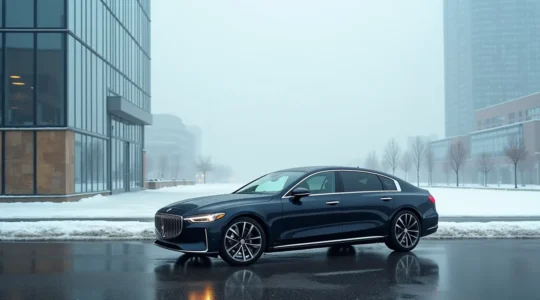
Luxury Flagships: Which 2024 Models Face a 50% Value Drop by 2027?
A new luxury car’s value isn’t just about the badge; its depreciation is a predictable financial equation based on specific Canadian market forces. Corporate fleet lease cycles and high out-of-warranty repair liabilities disproportionately reduce the value of certain European sedans…
Read more